Energy Efficiency and Competitivity: Driving Savings and Value
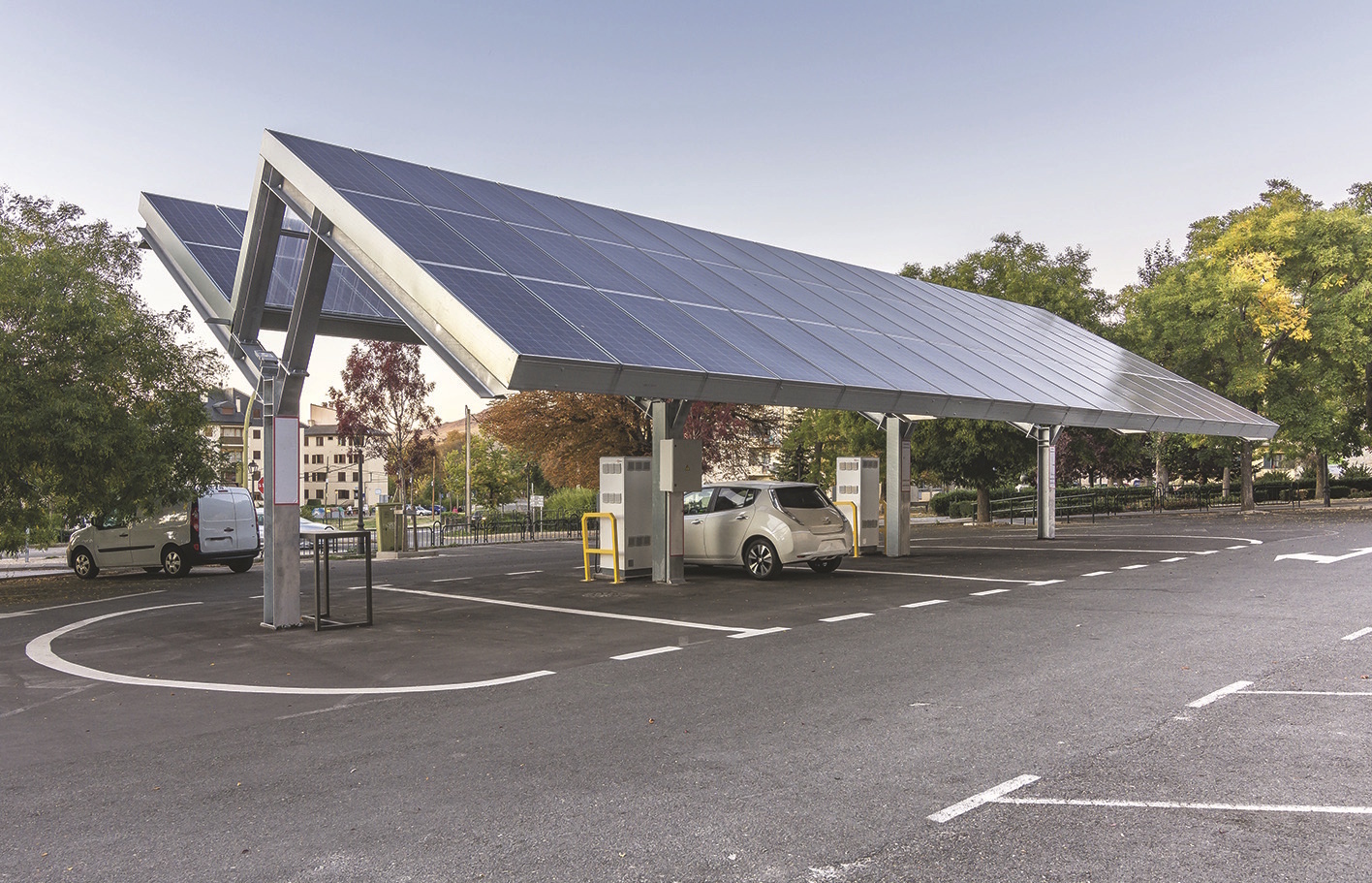
In a world increasingly focused on climate resilience and resource scarcity, energy efficiency and sustainability are no longer just ethical commitments—they are powerful levers for cost reduction, risk mitigation, and long-term business growth. We help organizations move beyond simple cost-cutting to build a holistic, integrated sustainability strategy that transforms your operations and strengthens your bottom line. The Dual Advantage: Save Money, Build Resilience A focused energy and sustainability strategy delivers immediate financial returns while creating enduring corporate value. By achieving Lower Utility Costs, you use optimized equipment and reduced consumption to translate directly into lower bills. This leads to Increased Operational Efficiency through streamlined processes and well-maintained equipment, minimizing waste and maximizing output. Simultaneously, you gain Risk Mitigation, shielding your business from volatile energy prices and future carbon taxes, freeing up Capital for Reinvestment from energy expenses to fund innovation. On the strategic side, you achieve Enhanced Brand Reputation, meeting increasing consumer and B2B demand for ethical practices. This improves your Investor Attraction (ESG), helping you appeal to capital markets by achieving higher Environmental, Social, and Governance (ESG) ratings. Furthermore, a strong sustainability focus aids in Talent Acquisition & Retention by attracting top talent, and ensures Regulatory Compliance, proactively meeting current and future energy and emissions regulations to avoid penalties.
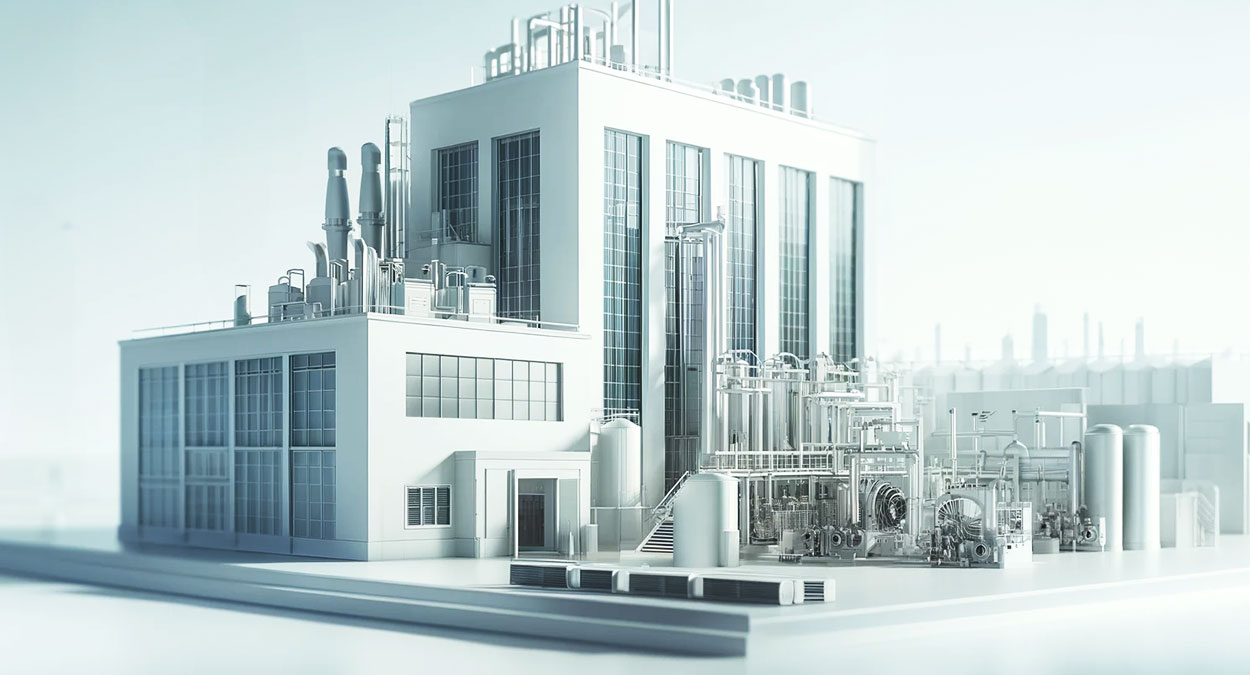
Corporate Energy Efficiency and Competitiveness: Gaining the Strategic Edge
In today's global economy, where energy costs are volatile and sustainability is a key investor metric, energy efficiency is the single most powerful tool for enhancing corporate competitiveness. It is no longer just a cost-cutting exercise; it is a critical strategy that structurally lowers operational risk, accelerates innovation, and builds superior brand equity. Our services focus on transforming your energy footprint into a source of durable competitive advantage, moving you from reacting to costs to proactively driving market leadership.
Structural Cost Leadership and Profitability
Energy costs are a major determinant of long-term investment decisions and profitability, especially in energy-intensive sectors like manufacturing and chemicals. Efficiency offers a way to structurally lower operating expenses year after year through Fixed Cost Reduction. By optimizing systems like HVAC, lighting, and industrial processes such as compressed air and heat recovery, you reduce variable overhead, increasing profit margins and resilience against energy price volatility. Modern, energy-efficient equipment often operates with greater precision and reliability, minimizing downtime and maintenance costs, leading to Operational Productivity improvements. This direct improvement in energy productivity, which is economic output per unit of energy, enhances overall economic growth. Furthermore, the money saved on utilities constitutes Capital for Innovation, which can be strategically reinvested into R&D, market expansion, or core business growth, widening the gap between you and less efficient competitors.
Market Differentiation and Brand Value
A commitment to high energy efficiency signals forward-thinking management and responsibility, which attracts both capital and customers. Strong energy management and a transparent path to decarbonization across Scopes 1, 2, and 3 significantly improve your Enhanced ESG Performance. This is crucial for securing funding, as capital markets increasingly favor sustainable investments. Environmentally conscious consumers, along with B2B partners, increasingly prefer products and services from responsible companies, bolstering your brand trust and authenticity, which drives Consumer Preference and market share. Highly efficient and sustainable operations appeal to top talent who prioritize working for ethical, future-focused organizations, giving you an edge in Talent Attraction.
Risk Mitigation and Business Resilience
Reducing energy dependency and improving operational control strengthens your long-term stability in a fragmented global market. Less reliance on purchased electricity and fossil fuels helps in Shielding Against Price Shocks, reducing your exposure to unpredictable global energy market fluctuations and securing more stable operating budgets. Proactively adopting high energy standards ensures Regulatory Readiness for future carbon taxes, stricter emissions regulations, and mandatory reporting, for example through ISO 50001 implementation, avoiding compliance costs and penalties that burden competitors. Finally, extending efficiency mandates to your supply chain (Scope 3) through Supply Chain Control mitigates risk related to supplier viability and environmental liabilities, ensuring continuity of production.
Key Consulting Strategies for Competitiveness
We help you leverage technologies and management systems to turn efficiency into an enduring strategic asset. We begin with Data-Driven Energy Management, implementing advanced metering, IoT devices, and data analytics to visualize consumption with tools like Sankey diagrams and perform regression analysis. This allows for precise identification of Significant Energy Uses (SEUs) and effective resource allocation. Our approach includes High-Impact Technology Investment, prioritizing investments with the highest return on investment (ROI), such as upgrading to high-efficiency motors, LED lighting with automatic controls, and optimized HVAC systems, while leveraging any available grants or tax rebates. We establish Integrated Management Systems by helping you implement an energy management system compliant with ISO 50001, embedding energy goals and Key Performance Indicators (KPIs) directly into your core business planning and control structures. Lastly, we assist with Renewable Energy Integration, developing a strategy for renewable energy procurement (PPAs) and on-site generation (solar) to achieve a sustainable, low-carbon energy mix that further insulates you from cost instability.